

Regulating Flow with
Precision and Stability
Purpose:
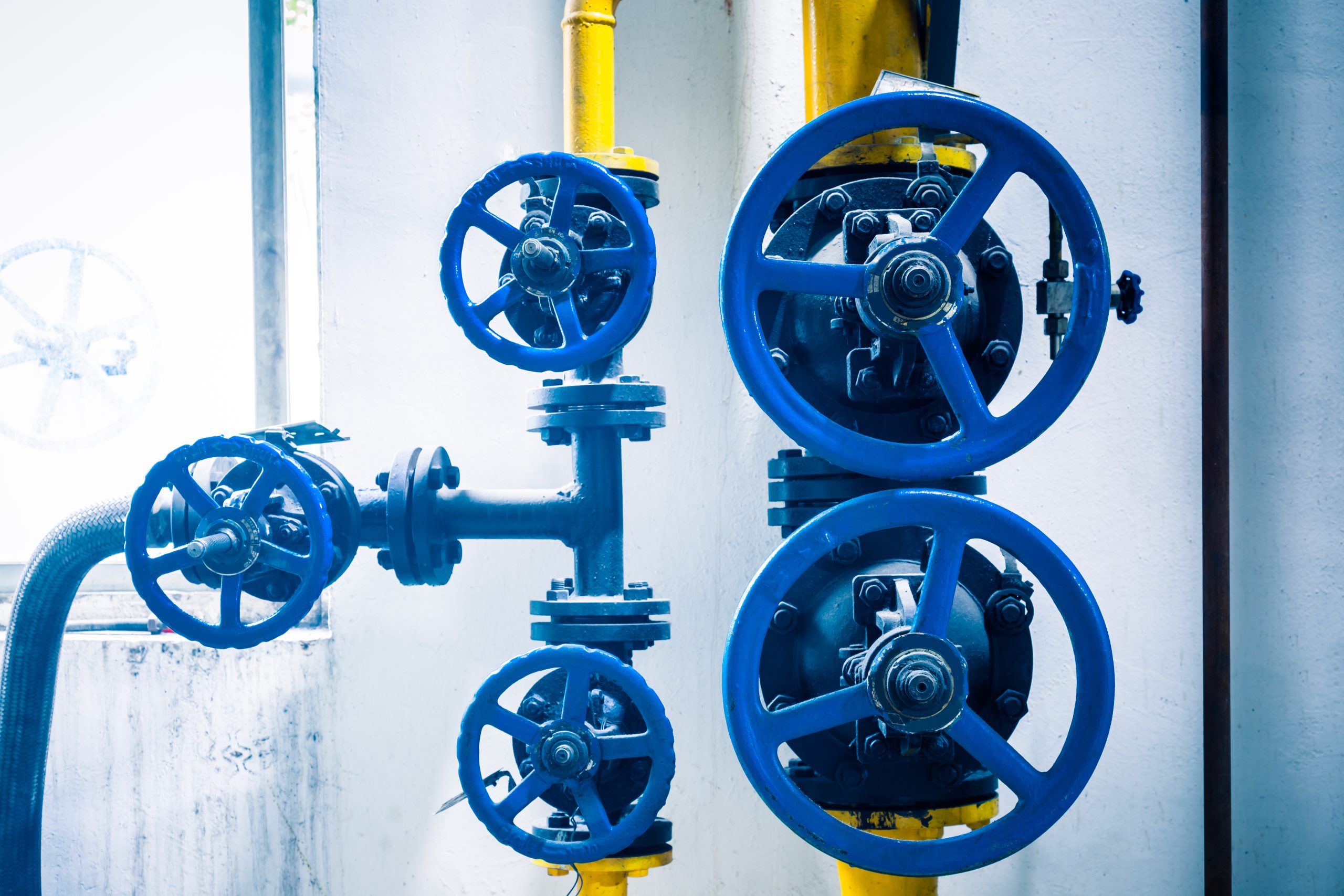
Control valves are essential components in any automated process system, designed to regulate the flow, pressure, or temperature of fluids. By modulating the position of an internal mechanism, these valves help maintain precise control across varying process conditions.
Applications
- Control valves play a crucial role in the following industries:
- Oil & Gas (Exploration, Production, and Refining)
- LNG Processing and Transportation
- Petrochemical Plants
- Desalination Facilities
- Power Generation
- Water Treatment and Distribution Systems
From ½ inch to 24 inches, covering both small-scale and large industrial process lines.
Material Options
- Carbon Steel
- Stainless Steel (including Duplex and Super Duplex grades)
- Nickel Alloys
- Titanium
- Aluminum Bronze
Material selection is based on media compatibility, temperature, and corrosion resistance.
Engineered for responsiveness and durability, control valves help operators maintain system stability, reduce manual intervention, and enhance overall process efficiency.
ASME Class 150 to Class 4500, ensuring compatibility with a wide range of system pressures.
Design & End Connections
- Control valves for standard and severe service conditions
- Linear motion designs: globe, diaphragm, and pinch-type valves
- Rotary motion designs: ball, butterfly, and plug-type valves
- Specialty types: axial isolation valves, axial control valves, choke valves
- Emergency Shutdown Valves (ESDVs) for safety-critical applications